Wider benefits of cross-border transport infrastructure
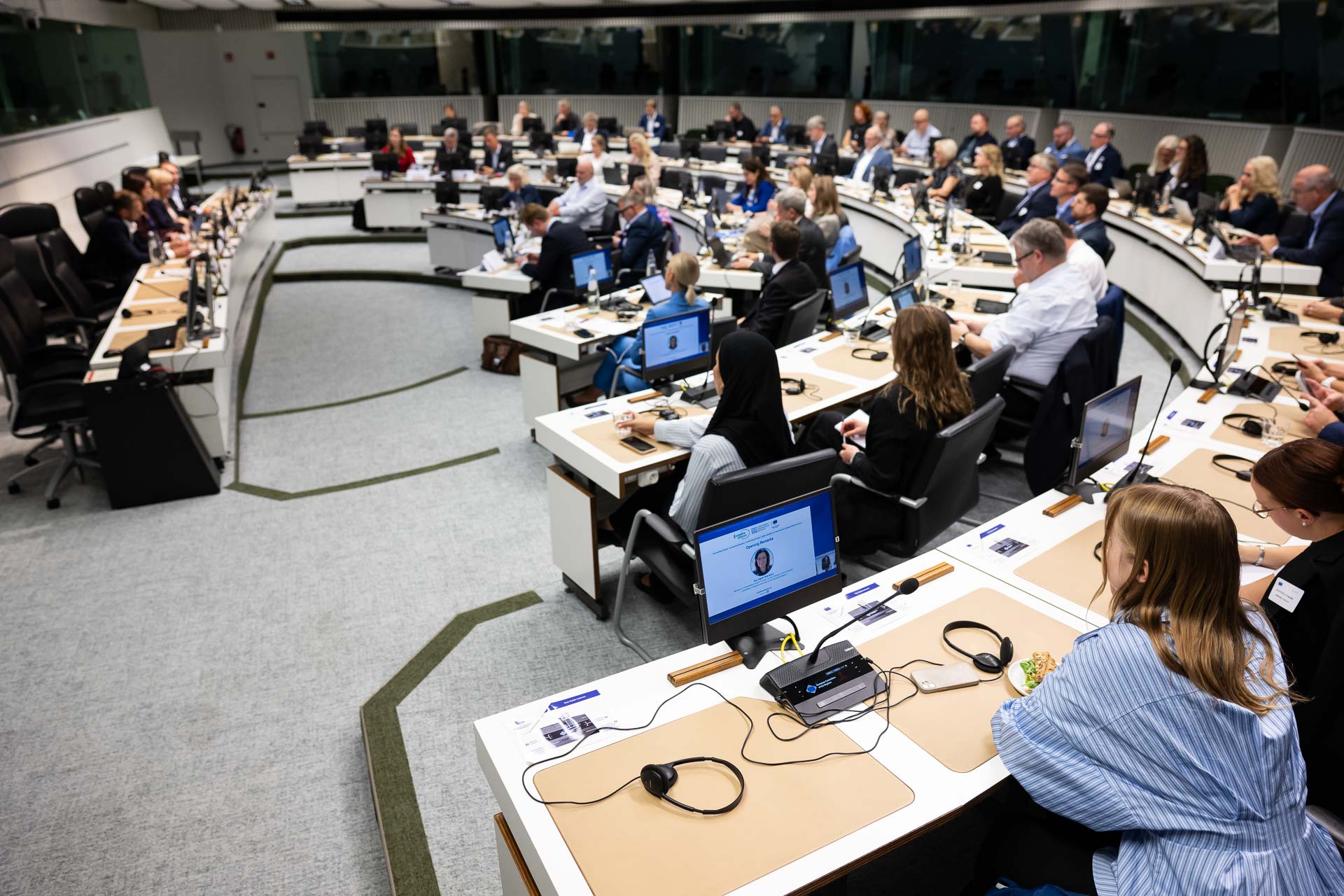
On 28 September 2026, the Scandria Alliance hosted the high-level seminar “Connecting People. Connecting Regions. Connecting Europe: Wider benefits of cross-border transport infrastructure” at the European Committee of the Regions. Representatives from European institutions, national and regional governments, metropolitan areas, research organisations and the transport sector discussed the economic, territorial and strategic benefits of large-scale cross-border infrastructure, with a focus on Northern Europe.
Drawing on the example of the Vaasa region, Riitta Björkenheim, Development Director at VASEK, highlighted Northern Europe’s role as a provider of technology, particularly for the energy sector, as well as raw materials. Realising this potential requires effective, reliable and secure cross-border connections.
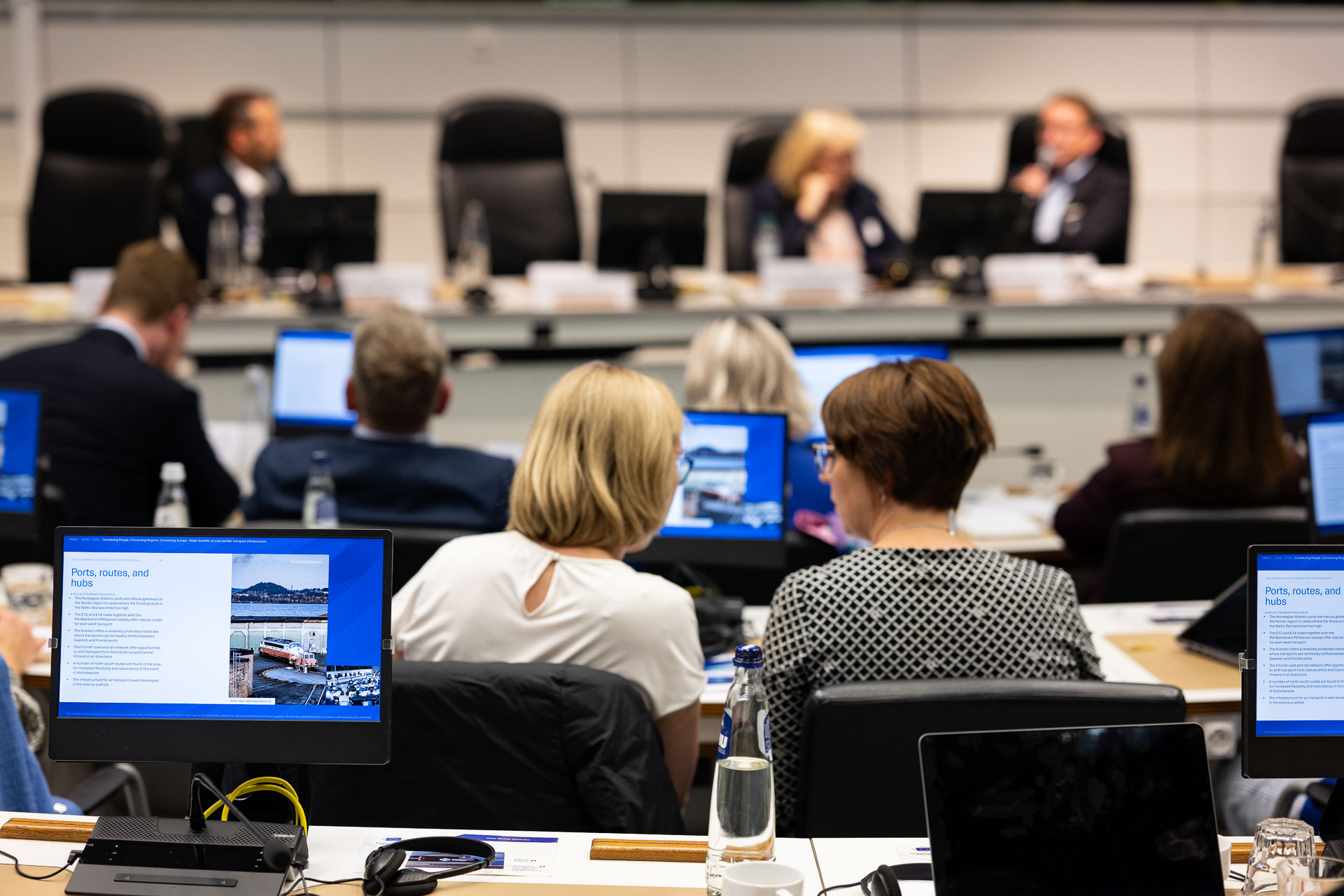
Hans Tino Hansen, CEO and Founder of Risk Intelligence, stressed the need to address infrastructure bottlenecks that could hinder military mobility in a crisis. The significant logistical requirements of military operations underline the importance of increasing capacity and accelerating the movement of goods and people across Europe.
Anders Jungar of PBI Research Institute explained how Wider Economic Impact (WEI) analysis can capture effects that conventional cost-benefit analysis may overlook, including impacts on productivity, labour markets and business activity.
Mathias Lindström, Director of the Kvarken Council EGTC, presented findings from a Lund University study on the effects of the Öresund Fixed Link on trade. The study, conducted by Maria Persson, Associate Professor at Lund University, found that trade between Denmark and Sweden increased by 25% between 2001 and 2008 – an increase comparable to the growth in trade following Sweden’s accession to the European Union.
Perspectives from across Europe
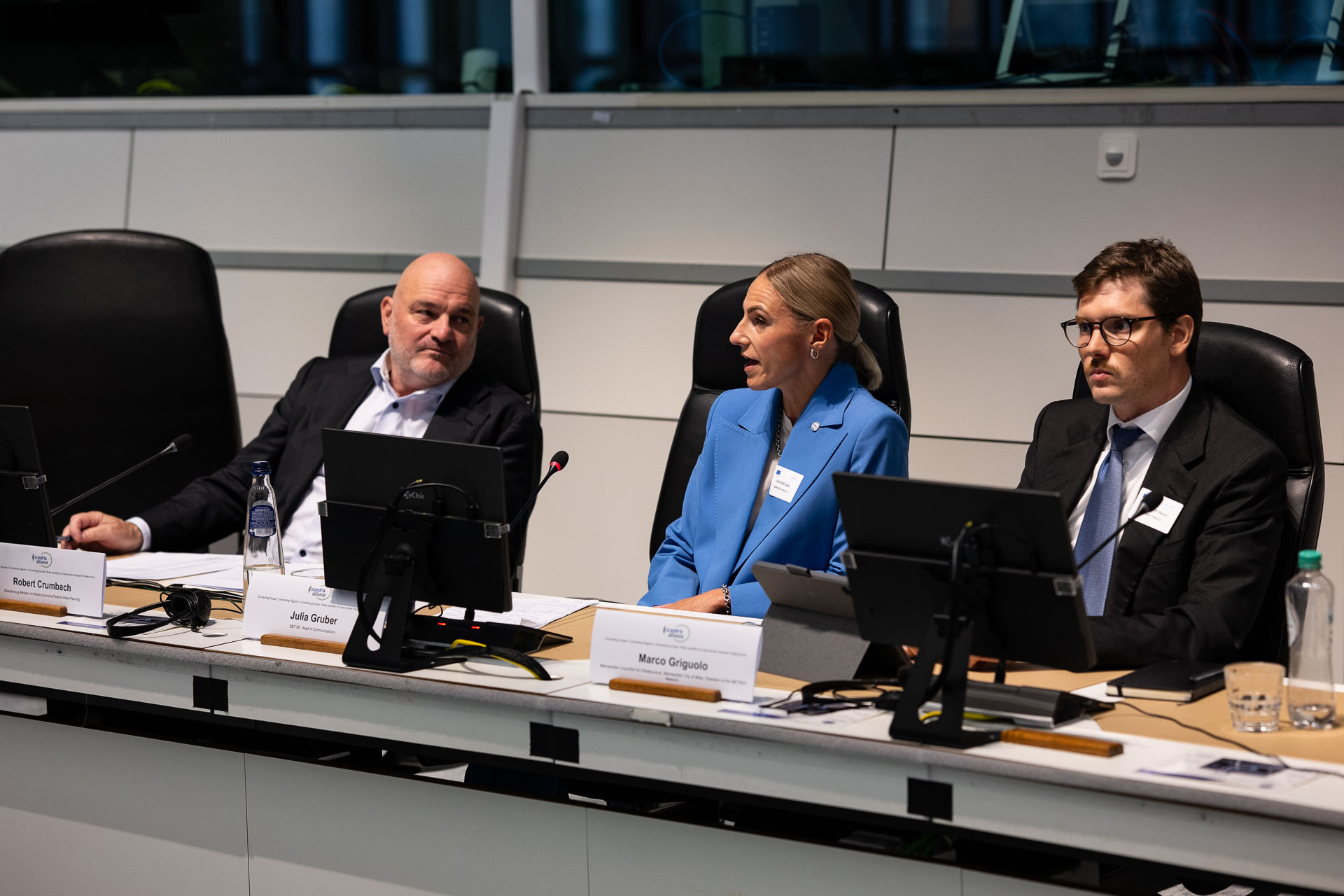
A subsequent panel discussion brought perspectives from Brandenburg, the Brenner Base Tunnel and the Milan metropolitan region.
Robert Crumbach, Minister for Infrastructure and Federal State Planning of Brandenburg, emphasised the importance of reliable financing models and strong commitment from all Member States for efficient cross-border transport.
Marco Griguolo, Transport Councillor of the Metropolitan City of Milan and President of METREX, highlighted the need for a territorial approach that reflects the different needs of stakeholders in and around metropolitan areas.
Julia Gruber, Head of Communications at BBT SE, stressed the importance of considering the wider effects of major infrastructure projects, including shifting freight from road to rail and reducing travel times between neighbouring countries.
The panel agreed that dialogue across administrative and governance levels is essential for assessing the wider benefits of major transport infrastructure. Cross-border projects require strong cooperation and commitment from all stakeholders involved.
Strengthening strategic connectivity in Northern Europe
The day concluded with the evening reception “Strengthening strategic cross-border connectivity in Northern Europe – advancing the TEN-T network between the Nordic and Baltic cities.” The Finnish Growth Triangle Helsinki–Tampere–Turku presented its vision for improved connections within the region and to Europe through the Scandinavian–Mediterranean and North Sea–Baltic European Transport Corridors.
Tuija Telén, Regional Mayor of Helsinki-Uusimaa, and Jyri Arponen, Regional Mayor of Southwest Finland, presented plans for new cross-border connections between Helsinki and Tallinn and between Turku, Åland and Stockholm. Contributions from MEP Jüri Ratas and Gabriele Giudice, from the Cabinet of European Commission Executive Vice-President Raffaele Fitto, complemented the discussion. The speakers agreed that stronger connections are key to strengthening the Single Market, European competitiveness and resilience.