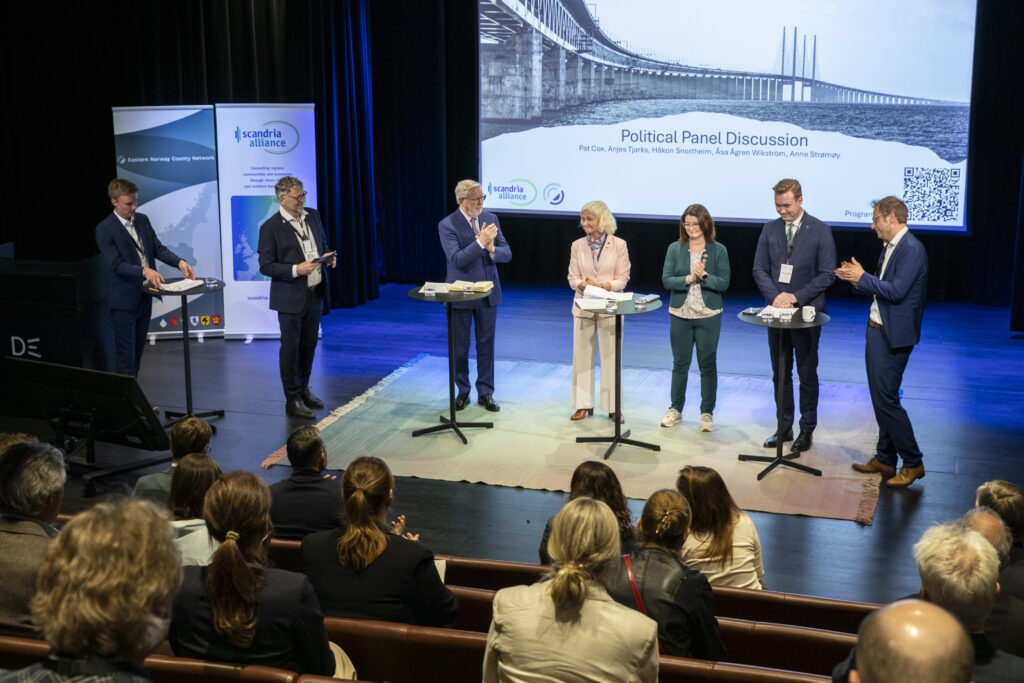
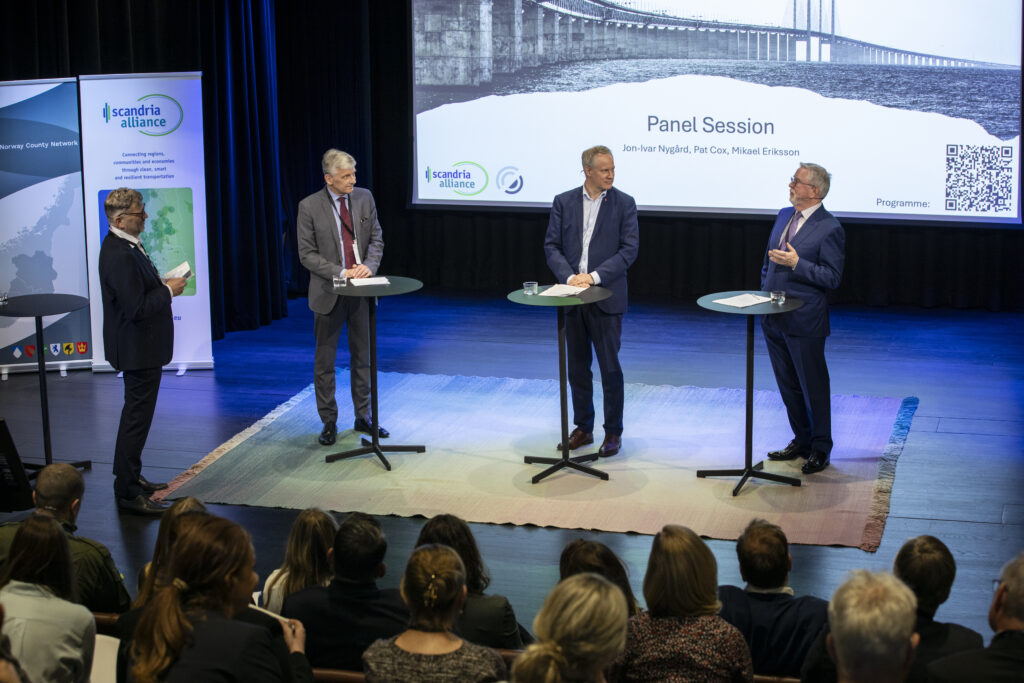
Geopolitical shifts are reshaping the Nordic strategic landscape. New cross-border transport links can boost economic growth, security, and sustainability while strengthening Northern Europe’s competitiveness. Conference participants urged the adoption of bold long-term visions, decisive political action, and innovative financing to deliver major infrastructure projects. They also called for a stronger regional voice in national and European decision-making.
Reflecting key transport trends, the conference speakers highlighted the increased importance of cross-border transport resulting from new geopolitical threats. Referring to dual use and the argument of energy independency, they agreed that strengthening military mobility will provide synergies to regional development and help to decarbonise transport.
A clear message from the Oslo conference is that close collaboration among cities, regions, industry, research and European stakeholders is essential to build resilient transport networks that safeguard Europe’s connectivity and future growth.
Åsa Ågren Wikström, chair of the Scandria Alliance General Assembly: “Regions need to collaborate across borders for the benefit of their citizens and businesses. Doing so, we have to take a holistic view and look at competitiveness, welfare and connectivity effects of infrastructure. To account for military mobility requirements, we must assure synergies by dual use infrastructure. And we must not forget to take action to protect our climate. The Scandria Alliance will continue to act as a platform for regions to exchange experiences and jointly call for better, greener and more resilient transport connections – in Northern Europe and along the entire Scandria Corridor.”
Anne Strømøy, County Mayor of Vestfold County, Norway, and political representative of Eastern Norway County Network in the Scandria Alliance: “In the current geopolitical situation, it is essential to to strengthen the resilience of our transport system. This is only possible if we cooperate across borders and involve all levels concerned: municipalities, regions, national governments and the European Union.”